

Corneal
Topography
Understanding Your Cornea
Corneal topography maps the shape and thickness of your cornea. This helps our specialists determine which laser vision correction procedure may be most suitable for your eyes.
What Is Corneal Topography?
A Detailed Map of Your Cornea
Corneal topography is a painless, non-invasive test that creates a detailed map of the front surface of your eye. It helps our specialists understand the shape and curvature of your cornea and identify any irregularities that may need attention before LASIK.
Why It Matters: This detailed assessment helps your doctor evaluate your eye health and determine which vision correction options may be suitable for you.
Minimum Corneal Thickness
Checking Your Cornea Before LASIK
Your cornea is the clear front surface of your eye. Measuring its thickness is an important part of your LASIK evaluation. Our specialists carefully assess your corneal thickness along with other eye measurements to determine which vision correction procedure may be suitable for you.
Why It Matters: Checking your corneal thickness helps your doctor make informed decisions about your safety and choose the most appropriate treatment for your eyes.
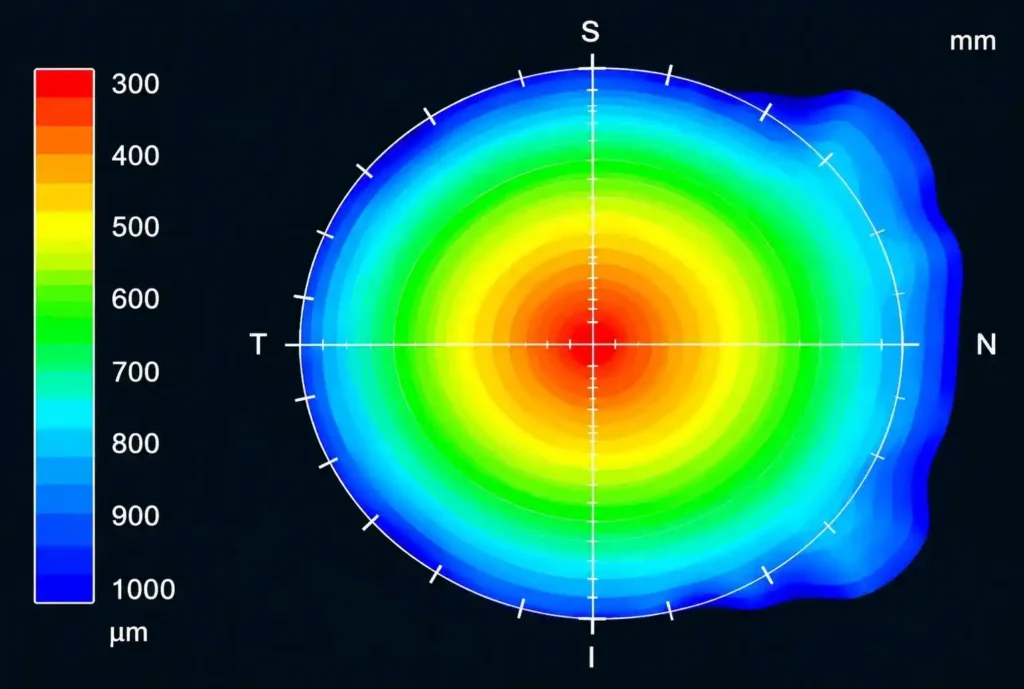
Corneal Thickness
- Central Thickness: 525 μm
- Minimum Thickness: 512 μm
- Thinnest Location: 512 μm
- Pachymetry Map
- Minimum Thickness 512 μm
How Corneal Thickness Helps in Choosing the Right Procedure
The Right Choice Starts with a Detailed Eye Assessment
Your cornea’s thickness plays an important role in deciding which laser vision correction procedure may be suitable for you. Our specialists carefully measure your cornea and assess its shape, eye health, and other important factors before recommending a treatment.
Why It Matters: Every eye is different. A detailed assessment helps your doctor choose an appropriate vision correction option based on your individual needs and eye health.
500 Microns & Above
Femto LASIK or LASIK may be considered
Femto LASIK
Blade-less. More Precision.
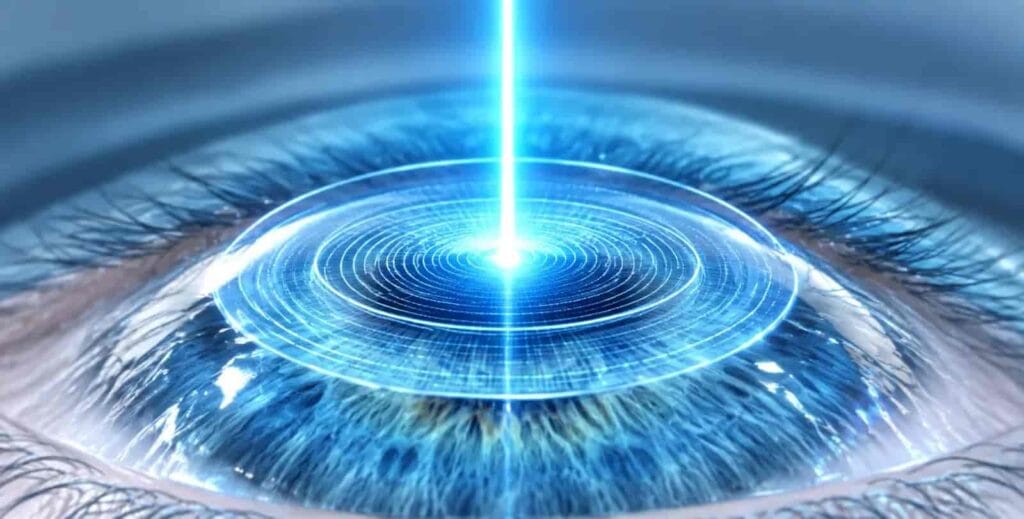
- Flap created using a femtosecond laser (blade-free procedure)
- High precision and smooth flap
- Quick recovery
Blade-free | Laser Flap Creation
LASIK
Trusted & Time-tested.
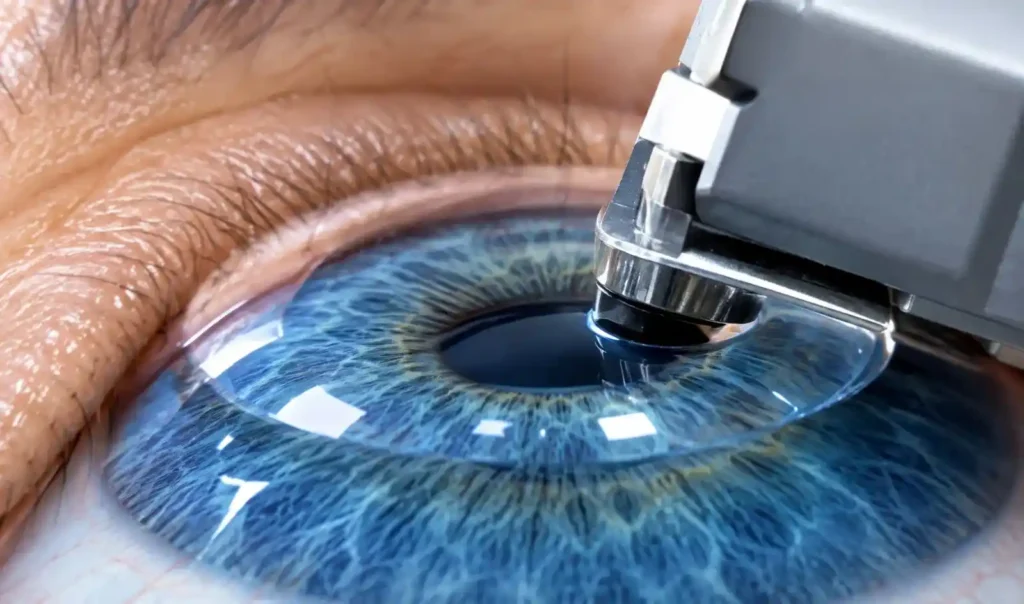
- Flap created using a Microkeratome blade
- Well-established procedure
- Quick visual recovery
Microkeratome Blade Used
Below 500 Microns
PRK or Trans PRK may be considered
PRK
Blade-less Surface Procedure.
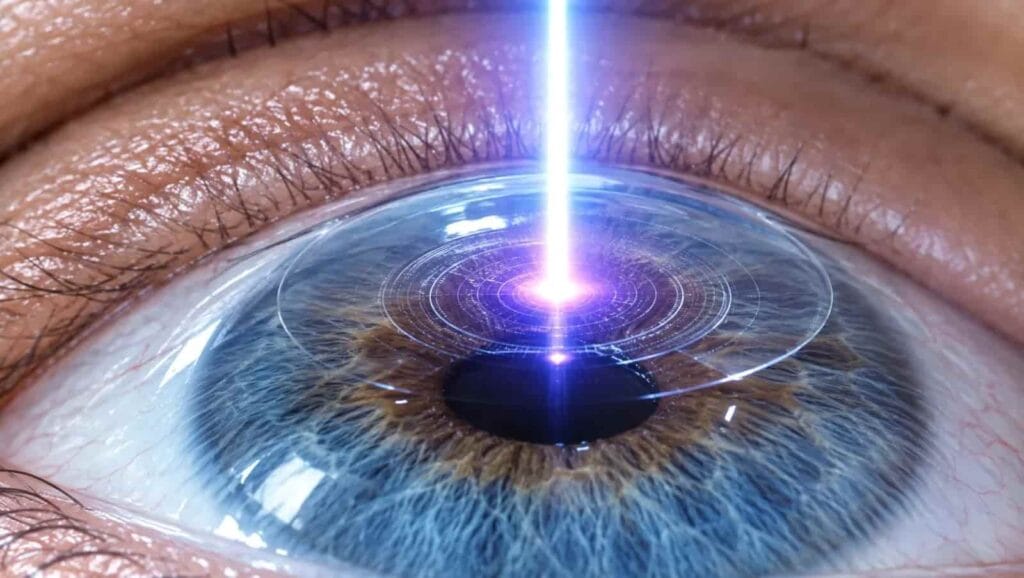
- No flap is created
- Surface laser procedure (blade-free)
- Suitable for thinner corneas
- Gradual visual recovery
Blade-free | Surface Laser
Trans PRK
Direct Laser. No Touch.
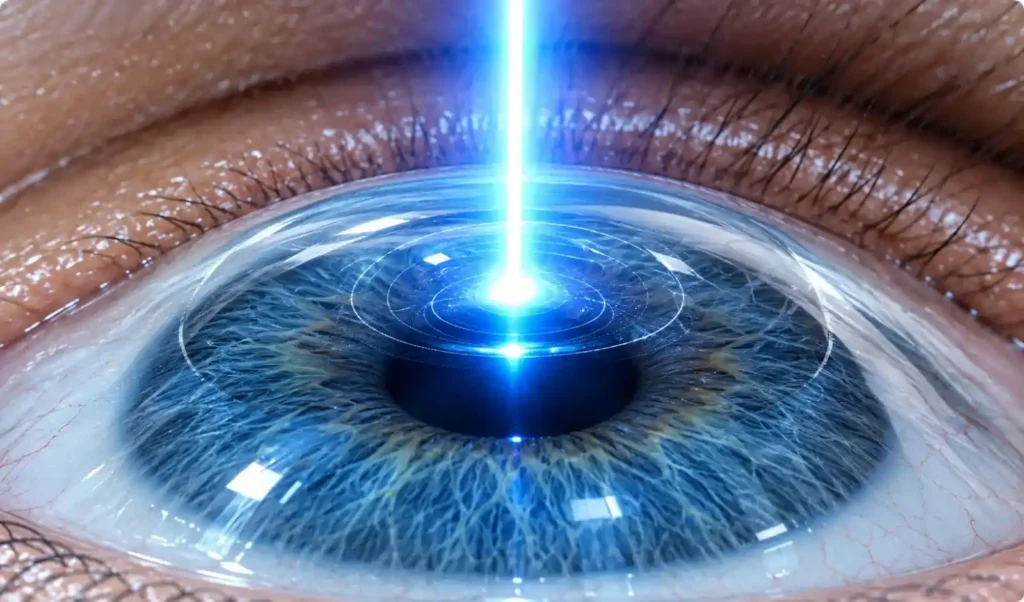
- No flap, no blade
- Direct laser treatment on the corneal surface
- Advanced, touch-free procedure
- Suitable for thinner corneas
Direct Laser | No Touch
A Safer, More Personalised Approach
Your Cornea. Your Vision. Your Individualised Care.
Every eye is different, and understanding your cornea is an important step before LASIK. Corneal topography creates a detailed map of your cornea’s shape and curvature, helping our specialists identify irregularities and assess which vision correction options may be suitable for you.
Your Benefit: A detailed evaluation helps your doctor make informed treatment decisions based on your eye health and individual vision needs.
