

ARE YOU STRUGGLING WITH THESE VISION PROBLEMS?

Myopia
Difficulty seeing distant objects

Hyperopia
Difficulty seeing near objects
Astigmatism
Blurred or distorted vision

Dependence on Glasses
Relying on spectacles for daily activities

Dependence on Contact Lenses
Looking for an alternative to contact lenses

Blurred Distance Vision
Difficulty seeing clearly while driving or outdoors
IS LASIK RIGHT FOR YOU?
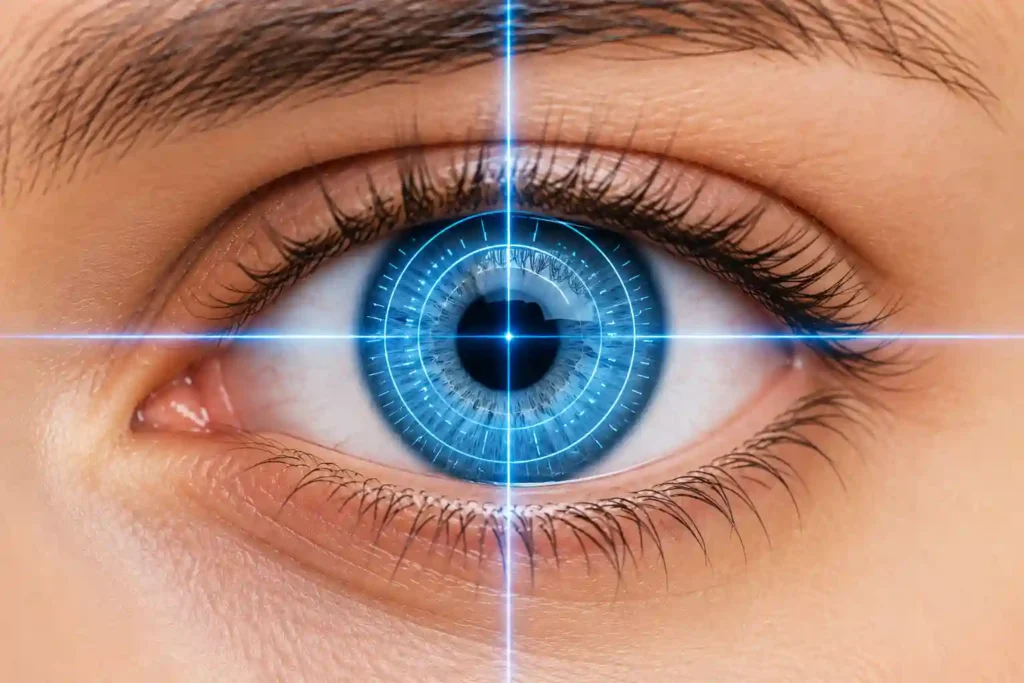
LASIK is a laser eye surgery that helps reduce dependence on glasses or contact lenses. It works by gently reshaping the cornea (the clear front surface of the eye), allowing light to focus more accurately and helping improve vision in suitable patients.
Advanced laser technology for precise results
Quick, safe & painless procedure
Personalized treatment for every eye
Get back to your routine faster
Long-lasting vision correction
HOW DOES LASIK WORK?
Comprehensive Eye Evaluation
Detailed tests are done to check your eye health and determine suitability.
Numbing Eye Drops
Anaesthetic drops are used to ensure a comfortable and painless experience.
Laser Reshapes the Cornea
The laser gently reshapes the cornea to correct vision with high precision.
Quick & Painless Procedure
The entire procedure takes just a few minutes for both eyes.
Clear Vision & Fast Recovery
Enjoy improved vision with a quick recovery and minimal downtime.
TYPES OF LASER VISION CORRECTION WE OFFER

LASIK
Traditional LASIK uses a microkeratome or femtosecond laser to create a thin flap and reshape the cornea.

FEMTO LASIK
Blade-free LASIK using femtosecond laser for flap creation — more precise, safe & comfortable
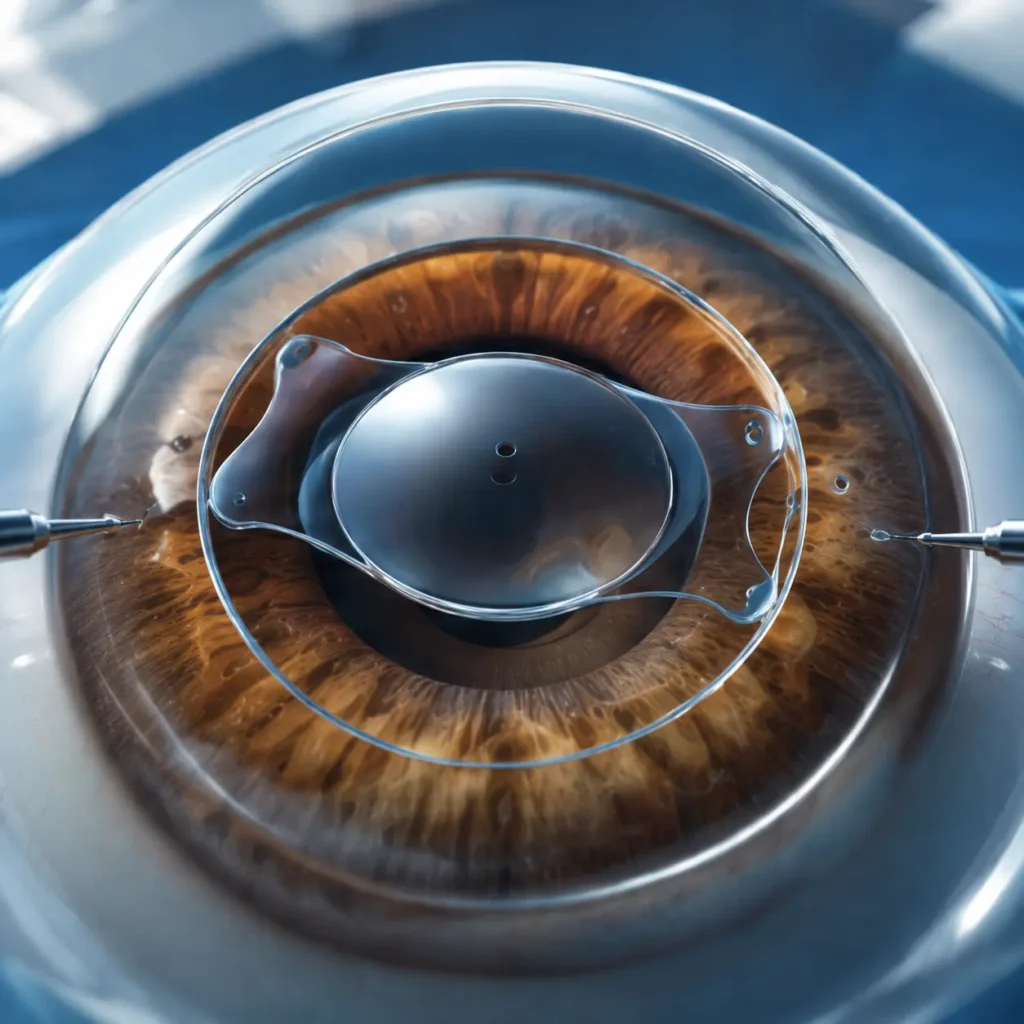
PRK
Surface ablation procedure suitable for patients with thinner corneas.
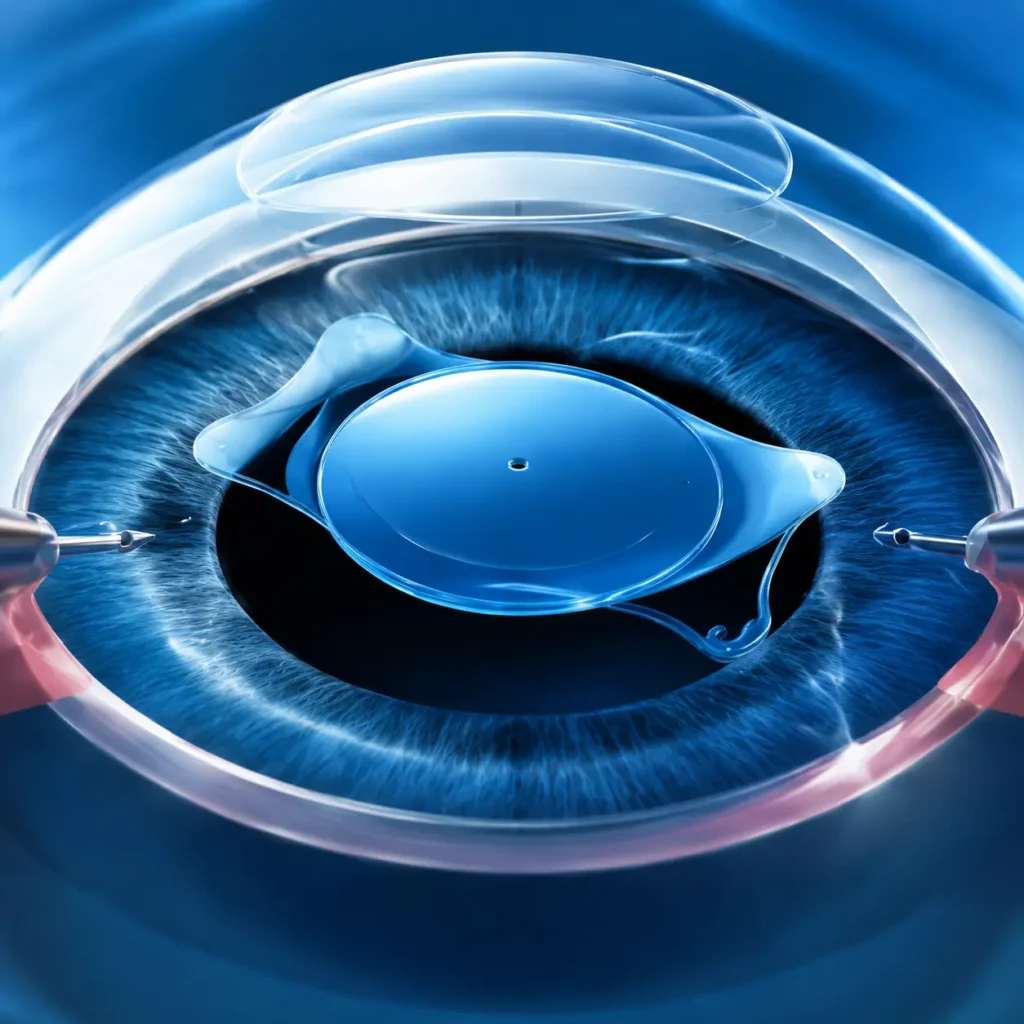
SMILE
Minimally invasive, flapless procedure with a tiny incision for quick recovery.
The right procedure depends on your eye condition. Our specialist will recommend the best option for you after a detailed evaluation
COMMON QUESTIONS
LASIK is considered a well-established procedure for correcting refractive errors in appropriately selected patients. Before surgery, a detailed eye examination is performed to check your cornea, vision and overall eye health and determine whether LASIK is suitable for you.
LASIK is generally performed using numbing eye drops, so patients typically do not feel significant pain during the procedure. Some people may experience temporary dryness, irritation, watering or mild discomfort after surgery.
The actual laser treatment is usually very brief, although the complete appointment takes longer because of preparation, treatment and post-operative instructions. Your eye specialist will explain the expected duration based on your treatment plan.
Many patients can return to routine work relatively soon after LASIK, depending on their recovery and the nature of their job. Your ophthalmologist will advise you when it is appropriate to return to work, drive and resume other activities.
LASIK permanently reshapes the cornea, but it does not prevent natural changes in your eyes as you age. Most suitable patients experience long-lasting correction, although some may need glasses for certain activities or may develop age-related vision changes later.
LASIK is suitable only for selected patients. Eligibility depends on factors such as age, stable spectacle power, corneal thickness and shape, eye health, tear-film condition and the absence of certain eye conditions. A comprehensive eye examination is necessary before deciding on treatment.
Your doctor may recommend several tests before LASIK, including:
- Refraction and vision assessment
- Corneal thickness measurement
- Corneal topography or tomography
- Tear-film evaluation
- Eye pressure measurement
- Detailed examination of the front and back of the eye
These tests help determine whether LASIK is appropriate and assist in planning the treatment
Some patients may experience temporary side effects such as dry eyes, glare, halos, light sensitivity or fluctuations in vision. Less commonly, patients may have under-correction, over-correction or other complications. Your surgeon will discuss the potential risks and benefits before treatment.
The cost of LASIK varies depending on the type of procedure, technology used, diagnostic tests, individual eye condition. The best way to know the exact cost is to undergo a LASIK evaluation and receive a treatment plan and quotation from the hospital.
