

Corneal
Topography
Understanding Your Cornea
Corneal topography maps the shape and thickness of your cornea. This helps our specialists determine which laser vision correction procedure may be most suitable for your eyes.
What Is Corneal Topography?
Corneal topography is a painless, non-invasive test that creates a detailed 3D map of your cornea. It shows the shape, curvature and thickness of your cornea, helping our specialists assess your eye and plan the most appropriate vision correction procedure.
Minimum Corneal Thickness
In this test, we check the minimum thickness of your cornea. This measurement is an important factor in deciding which laser vision correction procedure may be suitable for you.
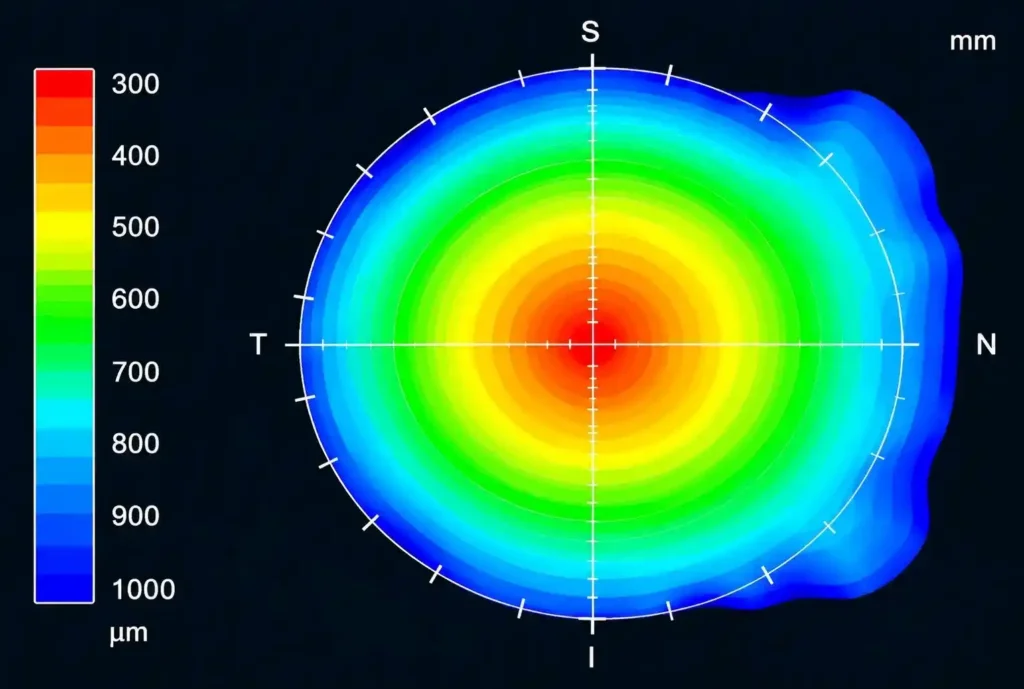
Corneal Thickness
- Central Thickness: 525 μm
- Minimum Thickness: 512 μm
- Thinnest Location: 512 μm
- Pachymetry Map
- Minimum Thickness 512 μm
How Corneal Thickness Helps in Choosing the Right Procedure
Based on the minimum corneal thickness, our specialists determine which laser vision correction option may be suitable for you.
500 Microns & Above
Femto LASIK or LASIK may be considered
Femto LASIK
Blade-less. More Precision.
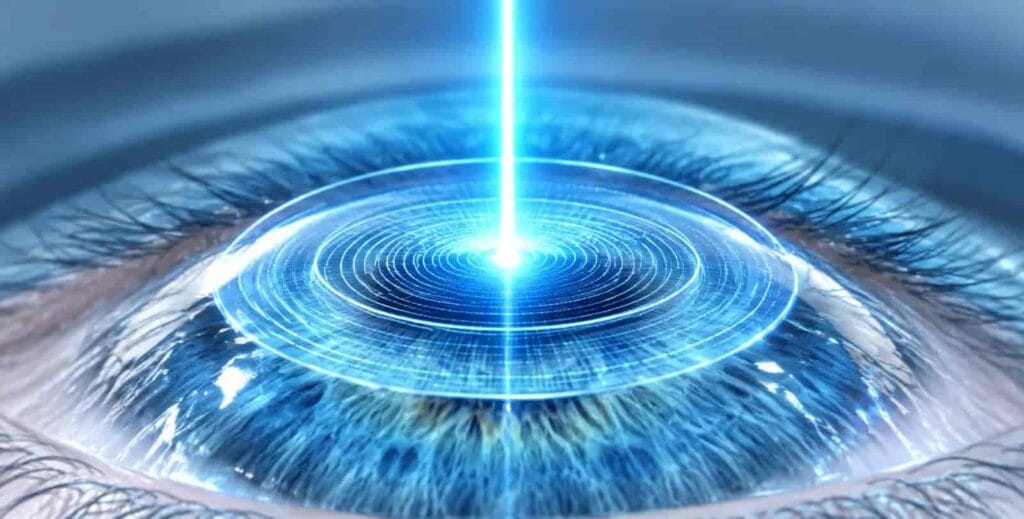
- Flap created using a femtosecond laser (blade-free procedure)
- High precision and smooth flap
- Quick recovery
Blade-free | Laser Flap Creation
LASIK
Trusted & Time-tested.
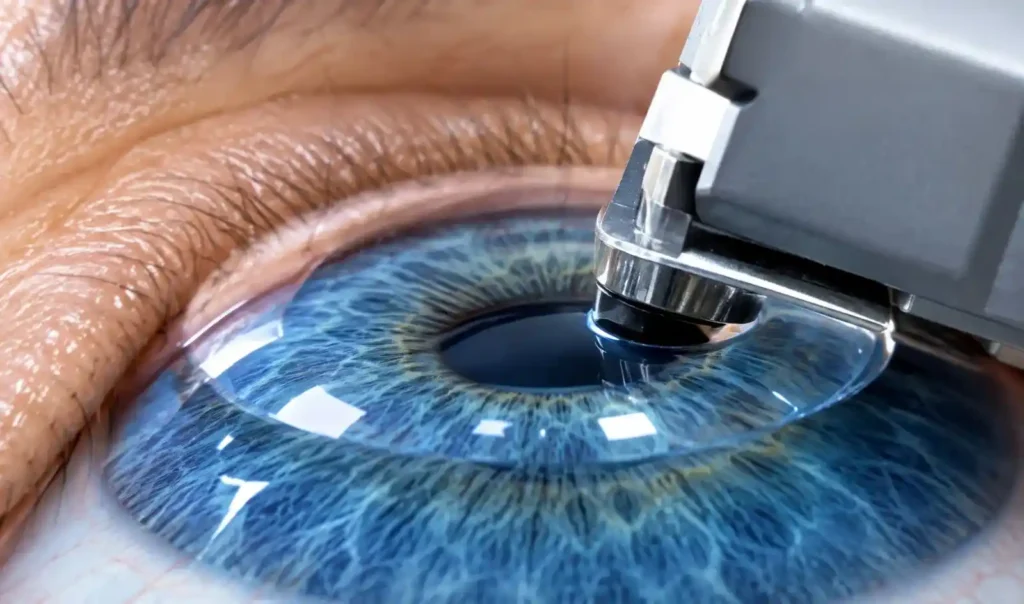
- Flap created using a Microkeratome blade
- Well-established procedure
- Quick visual recovery
Microkeratome Blade Used
Below 500 Microns
PRK or Trans PRK may be considered
PRK
Blade-less Surface Procedure.
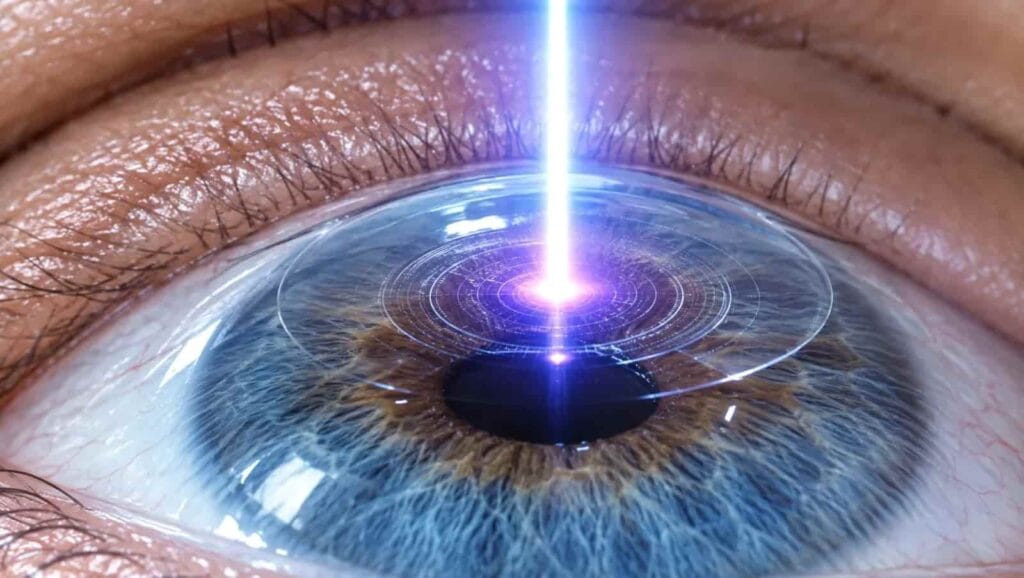
- No flap is created
- Surface laser procedure (blade-free)
- Suitable for thinner corneas
- Gradual visual recovery
Blade-free | Surface Laser
Trans PRK
Direct Laser. No Touch.
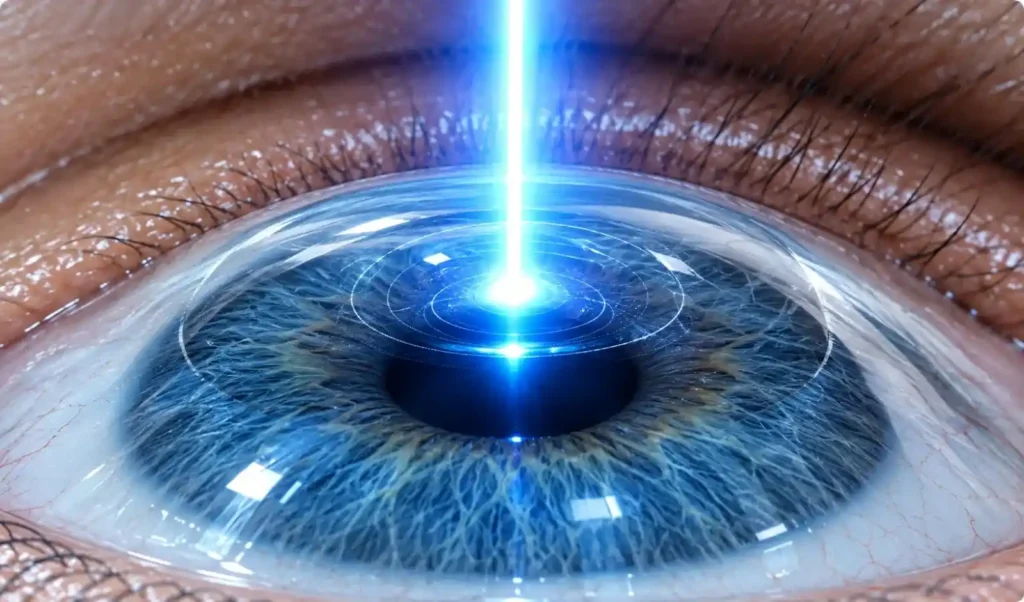
- No flap, no blade
- Direct laser treatment on the corneal surface
- Advanced, touch-free procedure
- Suitable for thinner corneas
Direct Laser | No Touch
A Safer, More Personalised Approach
Corneal topography gives us a detailed understanding of your cornea, so we can recommend the most suitable and safest procedure for your eyes.
